Initiative
Output Management (OMC)
Connecting what happens inside a municipality to what needs to happen next
A municipality can make a decision, record it in the right system, and still have work to do before that decision reaches the outside world. The information needed may sit in another register, while the service responsible for sending a message sits somewhere else again. What appears to be one step in a public service can depend on several systems working together.
OMC was developed to connect those steps. The open source component uses patterns to turn events inside municipal processes into the appropriate outward actions, without each application having to manage the entire sequence itself.
With



When separate systems are part of the same process
The challenge is not necessarily the mechanics of sending a message. It is everything that has to come together around it. The information needed may sit in a separate register, the right channel may depend on the situation or someone’s preferences, and the organisation sending the message needs to be able to track what was sent and whether delivery succeeded.
No single system needs to hold all of that information. Each has its own purpose and responsibilities. But from the citizen’s side, those separate systems still form part of one experience. Keeping someone informed therefore depends not only on what each system can do, but on what happens between them.
Building communication into how services work
The ambition is to make proactive communication a natural part of how municipal services work. Existing systems should be able to work together, with shared approaches that municipalities can build on and improve over time.
For residents, the hope is that they spend less time wondering where their case stands or whether something needs their attention, and feel more confident about what comes next. Over time, that clarity can help strengthen trust in the public services they rely on.
How we work together
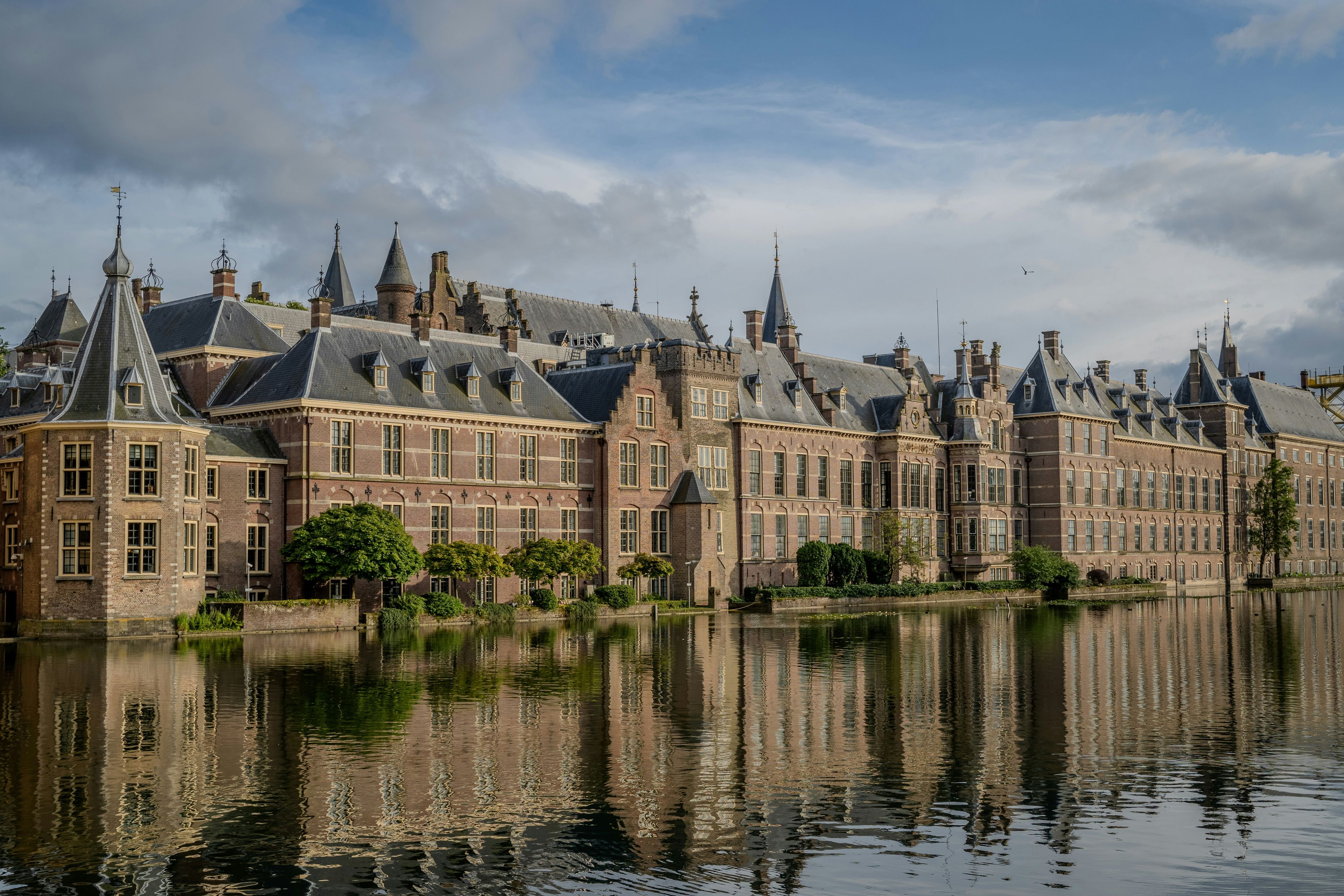
Connecting systems properly starts with understanding the work they support, which makes the people already dealing with those processes an important part of developing OMC. From the early design work Worth carried out with architects from VNG and Common Ground municipalities through to the component it went on to build and continues to maintain, that development has stayed closely tied to the situations it needs to work in. In Common Ground Fieldlabs, Worth has worked alongside Nijmegen, Rotterdam and The Hague to bring those practical questions into the development itself.
Working across municipalities also means that experience from one place can become a useful starting point somewhere else, without assuming the same answer will fit everywhere. Rotterdam, for example, built on earlier work from The Hague, but its own systems, suppliers and approach to implementing Wmebv created different requirements. Working through those differences helped identify which parts of the existing notification patterns were still missing or needed to change, and that work is now moving through design and development towards implementation within Rotterdam’s platform.
Technology we used
- Mijn Services
- NotifyNL
- Kubernetes
- Haven
- Helm
OMC is now being used by municipalities including The Hague, Rotterdam, Nijmegen and Eindhoven. It connects to information already held in existing registrations, allowing events to trigger communication without creating additional copies of the underlying source data that then need to be managed separately. The component is designed to process large numbers of events while leaving that information where it already belongs.
The work is still developing. OMC already uses patterns to determine how different situations should be handled, but those patterns currently sit within the component itself. Worth is working with Rotterdam and Dimpact on an open patterns library that is intended to make them easier to create, manage, share and adapt.
What came from the work
An open source component in use across multiple Dutch municipalities, with others working towards adoption
Pattern-driven communication that responds to events in municipal processes, including applications, tasks and decisions
An architecture designed to process events at scale while keeping underlying data in existing source systems
Keeping distinct systems part of one service
A more connected public service does not require one system to know or do everything. OMC makes something else possible: systems can keep the responsibilities they were built for while becoming better at handing information and actions between them.
That matters as public services become more proactive. The experience can become clearer and more joined up for residents without hiding the complexity behind it or trying to replace it with one enormous system. Sometimes making the whole work better is about improving what happens in between.
Start a conversation
Working on a digital product or challenge within government? We’re always happy to talk through what you’re working on and see where we might be useful.
Prefer direct contact?